
Parenting is an amazing adventure full of happiness, love, and difficulties. We all want to raise children who are respectful and self-assured while developing a close and loving relationship with them. Techniques for positive discipline are useful in this situation. The positive discipline focuses on teaching and guiding kids to make better decisions rather than using punitive tactics or severe penalties. This blog post will discuss some useful positive discipline strategies that can make you a more powerful and nurturing parent.
Establish boundaries and clear expectations
When kids are aware of what is expected of them, they thrive. For both at home and in public, establish clear and age-appropriate standards for their conduct. Make careful to express the rules and boundaries in a caring and consistent manner. Encourage open dialogue so that your kids may express their ideas and emotions, and be prepared to negotiate when necessary.
Lead by Example
Children absorb all they see and hear like sponges. Being aware of your actions and attitude is important since kids frequently imitate their parents. Show your children the virtues and conduct you want them to adopt, such as kindness, respect, and patience. Recognize when you screw up and let them know that growing personally requires us to learn from our mistakes.
Use Reward-Based Training
Recognizing and applauding your child for their good behavior is a highly effective approach to positive discipline. Give your youngster precise, sincere praise when they exhibit the desired behavior. This boosts their self-assurance and motivates them to keep making wise decisions. Positive reinforcement might take the shape of compliments, high-fives, or minor incentives like extended playtime or stickers.
Practice Effective Communication
Strong parent-child relationships are maintained through effective communication. Practice active listening and empathy instead of yelling or nagging. Encourage your youngster to be honest about their feelings. When disagreements emerge, talk over potential solutions calmly. With this strategy, your child can develop their problem-solving abilities while also feeling heard and respected.
Time-In Rather Than Time-Out
Traditional time-out methods often involve isolating a child as a form of punishment. The positive discipline emphasizes the importance of connection and understanding. Instead of sending your child to time-out, consider implementing a “time-in.” This involves taking a moment to sit with your child, helping them calm down, and discussing the situation. By providing emotional support and teaching them self-regulation techniques, you foster a sense of security and encourage positive behavior.
Combined Problem-Solving
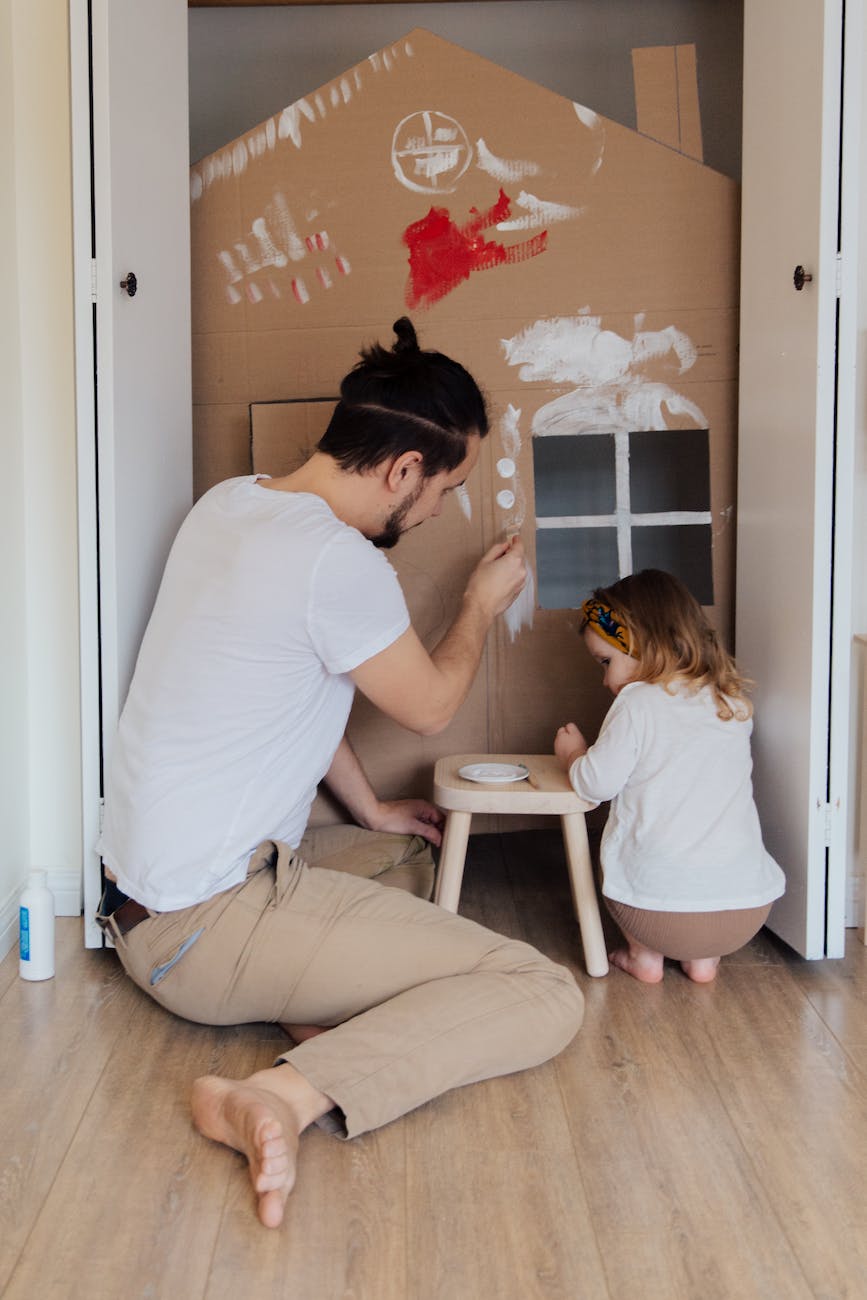
When you can, involve your youngster in the process of fixing problems. Give them the chance to make judgments and learn from the results rather than making decisions for them. When disputes emerge, take a seat and discuss potential solutions. Encourage critical thinking and creativity to help them arrive at a solution that benefits all sides. With this strategy, kids are given power and are taught important life lessons.
Teach Emotional Intelligence
A crucial component of effective discipline is assisting children in growing their emotional intelligence. Encourage your children to recognize and express their emotions in appropriate ways. Discussing the thoughts and feelings of others will help children develop empathy. Give them techniques for controlling their emotions, such as journaling or deep breathing exercises. You may provide your child with the ability to overcome difficulties and navigate relationships by encouraging emotional intelligence.
Finally, parenting that is kind and successful can be achieved through the use of positive discipline practices. You can provide a loving atmosphere for your child’s growth and development by establishing clear expectations, providing a good example, offering positive reinforcement, practicing effective communication, instituting time-ins, encouraging collaborative problem-solving, and teaching emotional intelligence. It’s important to keep in mind that parenting is a journey and that mistakes will be made.
Thank you.
 Healthy family affairs
Leave a comment