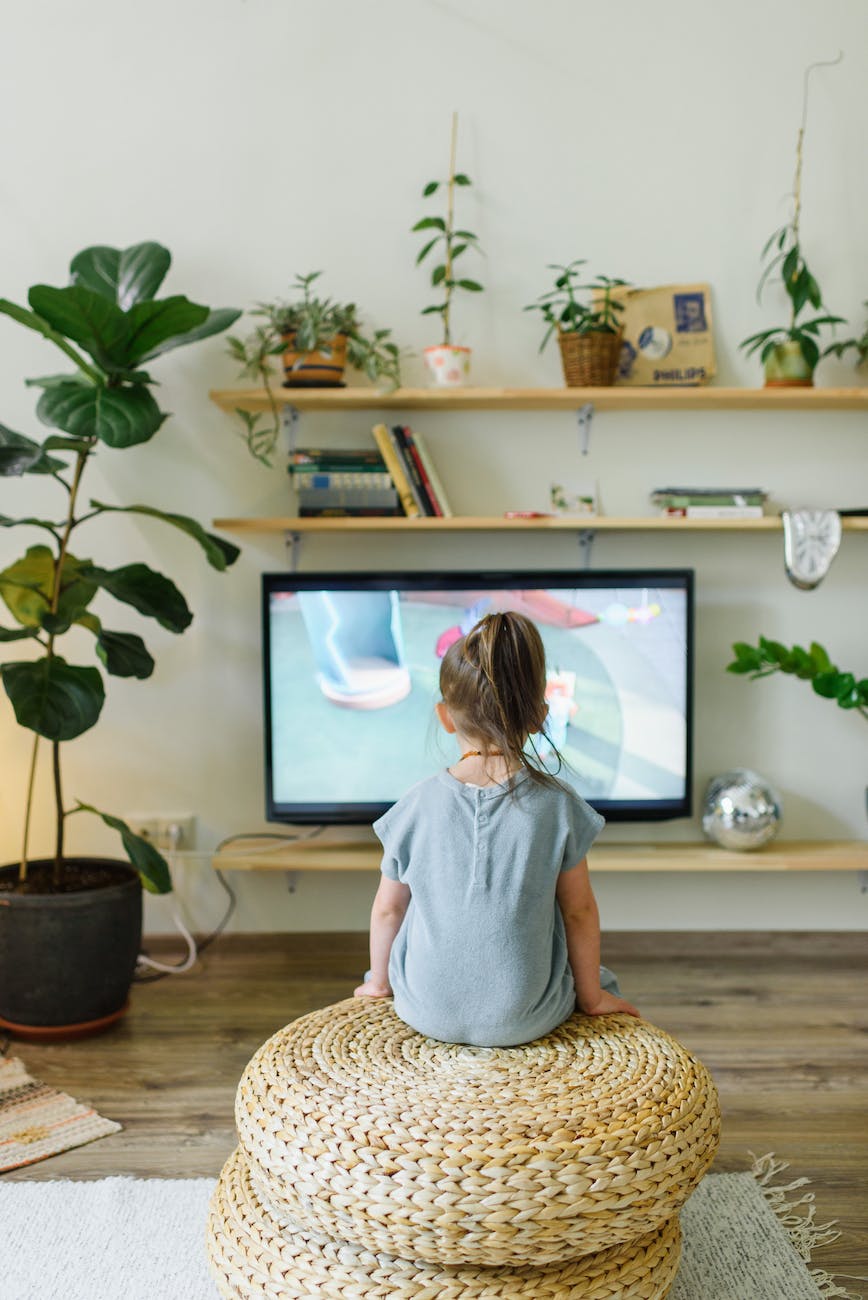
In the current digital age, screens have permeated every aspect of our life. Children are growing up surrounded by screens, whether they are televisions, laptops, tablets, cellphones, or any other kind of device. Even though screens provide a wealth of advantages and opportunities for communication, entertainment, and learning, concerns have been raised concerning the possible negative effects of too much screen time on young children’s development. In this article, we’ll look at how screen time affects kids’ physical, cognitive, and socioemotional growth and offer some helpful advice for parents on how to encourage positive screen behaviors.
Physical Development
Children who watch screens for extended periods of time have a tendency to develop sedentary lifestyles, which reduces their levels of physical activity. Less time for physical leisure and outdoor activities usually follows longer screen time. Obesity, poor muscle growth, and declining bone density are just a few of the health issues that lack of exercise can contribute to. Parents need to encourage a balanced lifestyle that incorporates both screen time and exercise in order to support their children’s physical welfare.
Cognitive Development
Screen time can have both positive and negative effects on cognitive development. Children’s cognitive abilities, such as creativity, problem-solving, and critical thinking, can be improved by interactive and instructional content. However, a lot of passive screen time—such as kids watching cartoons all day or playing pointless games—can be bad for cognitive development. According to research, early exposure to too much screen time may lead to attention issues, poorer executive functioning, and poorer academic performance. Parents must select age-appropriate, high-quality content and impose time restrictions on-screen use to promote cognitive development.
Socio-emotional Development

Children’s socioemotional development is fundamentally influenced by social interactions and experiences. The growth of critical social skills including empathy, communication, and emotional control might be hampered by excessive screen usage. Overexposure to screens may reduce face-to-face encounters, delay the learning of non-verbal signs, and prevent the establishment of lasting connections. Parents must promote open discussion about screen time limits and urge children to interact with others in real life to support healthy socio-emotional development.
Practical Tips for Parents
#1. Set restrictions: Specify the duration and nature of screen time in explicit rules and limitations. Encourage a sensible division of time spent using screens and other activities.
#2. Assemble content: Pick engaging, instructive content that is age-appropriate, corresponds with your child’s interests, and encourages learning and skill growth.
#3. Encourage outdoor activities: To encourage a healthy and active lifestyle, encourage sports, physical play, and outdoor exploration.
#4. Give priority to human contact: Encourage open dialogue with loved ones, friends, and classmates. Engage in activities that foster empathy, communication, and social skills.
#5. Be a good example for others: Establish wholesome screen habits for yourself. Reduce your personal screen time and spend quality time with your youngster.
In conclusion, screen time has established itself as a necessary component of contemporary living, and its effects on children’s growth cannot be disregarded. Even though they can provide pleasure and educational possibilities, too much screen time can hurt a child’s physical, cognitive, and socioemotional growth. Parents may lessen the possible negative impacts of screen time and promote healthy development in their children by setting boundaries, selecting content, encouraging physical activity, valuing human interaction, and acting as positive role models. To ensure that kids develop a well-rounded set of skills and talents necessary for their overall well-being and success in life, parents must strike a balance between screen time and other activities.
Thank you for going through this post. See you on the next topic.
 Healthy family affairs
Leave a comment