
Exploration, wonder, and curiosity are all hallmarks of childhood. However, it’s also a time when many difficulties and stresses can impact a child’s emotional health. Parents, carers, and educators must identify and manage the stress and anxiety that kids face. We can assist them to develop their resilience and provide them with helpful coping techniques by giving them useful tools and support. In this blog article, we’ll look at useful techniques for dealing with stress and anxiety in kids, promoting their mental health, and laying the foundation for a better future.
Recognize the Signs
Recognizing the symptoms is the first step in treating stress and anxiety in kids. Every child uniquely exhibits emotions, but typical signs include behavioral changes including irritability, sleep disruptions, restlessness, frequent sobbing, or withdrawal from social activities. Being aware of these signs allows us to act quickly and offer the help that is required.
Create a Calm and Safe Environment
For children to feel secure and lower their stress levels, a peaceful and secure atmosphere is essential. A solid foundation can be built by establishing regular routines, establishing limits, and keeping lines of communication open. Encourage kids to be honest about their emotions by listening to them without passing judgment. Make sure their physical space is tidy and organized because a clean atmosphere helps foster a sense of peace.
Teach Relaxation Techniques
Children who are taught relaxation techniques are better able to control their tension and anxiety. Exercises that include breathing, such as “balloon breathing” or deep belly breathing, can soothe the nervous system. Other helpful techniques that promote calm and body awareness include guided visualization, progressive muscle relaxation, and yoga. Encourage kids to frequently use these strategies, even in quiet situations, to develop resilience for upcoming difficulties.
Encourage Physical Activity
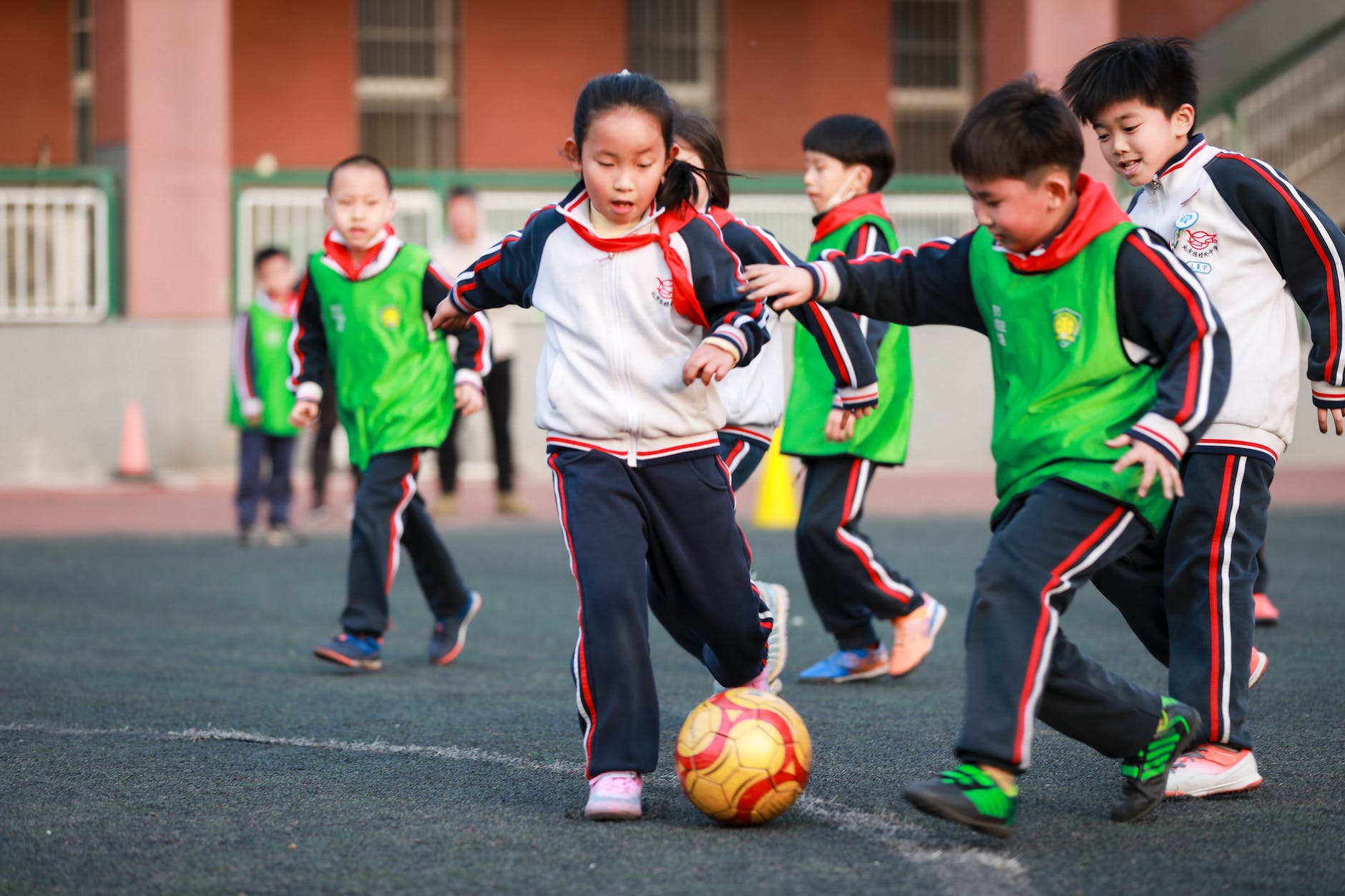
Regular exercise is essential for controlling stress and anxiety. Playing outside or participating in structured exercise improves physical well-being while also releasing endorphins, the body’s natural mood enhancers. Encourage kids to engage in hobbies they find enjoyable so they can feel successful and have a healthy outlet for their feelings.
Encourage Effective Coping Strategies
Help kids in creating effective stress and anxiety management skills. Encourage them to use hobbies, writing, or art to communicate their emotions. Because the fact that it enables people to reflect on their feelings and experiences, journaling can be particularly helpful. Children can also become more resilient and adopt a more upbeat view by using positive self-talk and reframing negative thoughts.
Limit Exposure to Stressful Situations
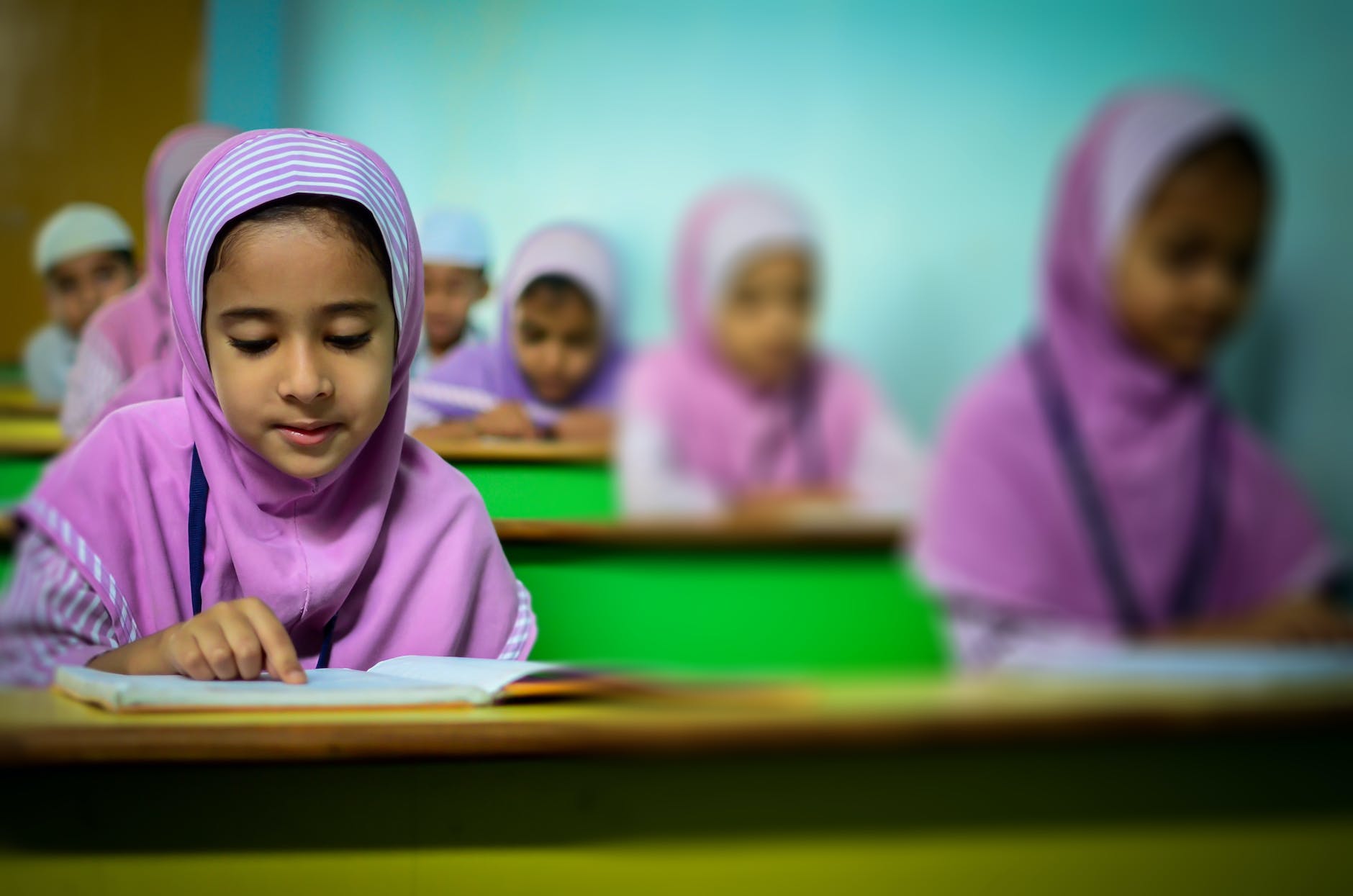
While kids must overcome obstacles and learn problem-solving techniques, it’s also crucial to minimize their exposure to overly stressful situations. Protecting children’s mental health can be accomplished by keeping them away from unneeded stimuli like violent media or hazardous situations. Encourage them to do things that will make them happier, more creative, and more connected to others.
Seek Professional Support if Needed
It can be required to seek professional assistance if a child’s stress and anxiety persist or significantly affect how they operate daily. Pediatric psychologists or therapists are mental health specialists who can offer helpful advice and interventions catered to a child’s unique requirements. Don’t be afraid to ask for assistance when you need it.
Children’s stress and anxiety management is a team effort involving parents, carers, teachers, and the larger community. Children can develop resilience and thrive if we provide a nurturing atmosphere, teach relaxation techniques, promote physical activity, cultivate healthy coping skills, and limit exposure to stress. Keep in mind that every child is different, and it’s crucial to treat their emotional well-being with compassion.
Thank you for checking on us. see you in the next post.
 Healthy family affairs
Leave a comment