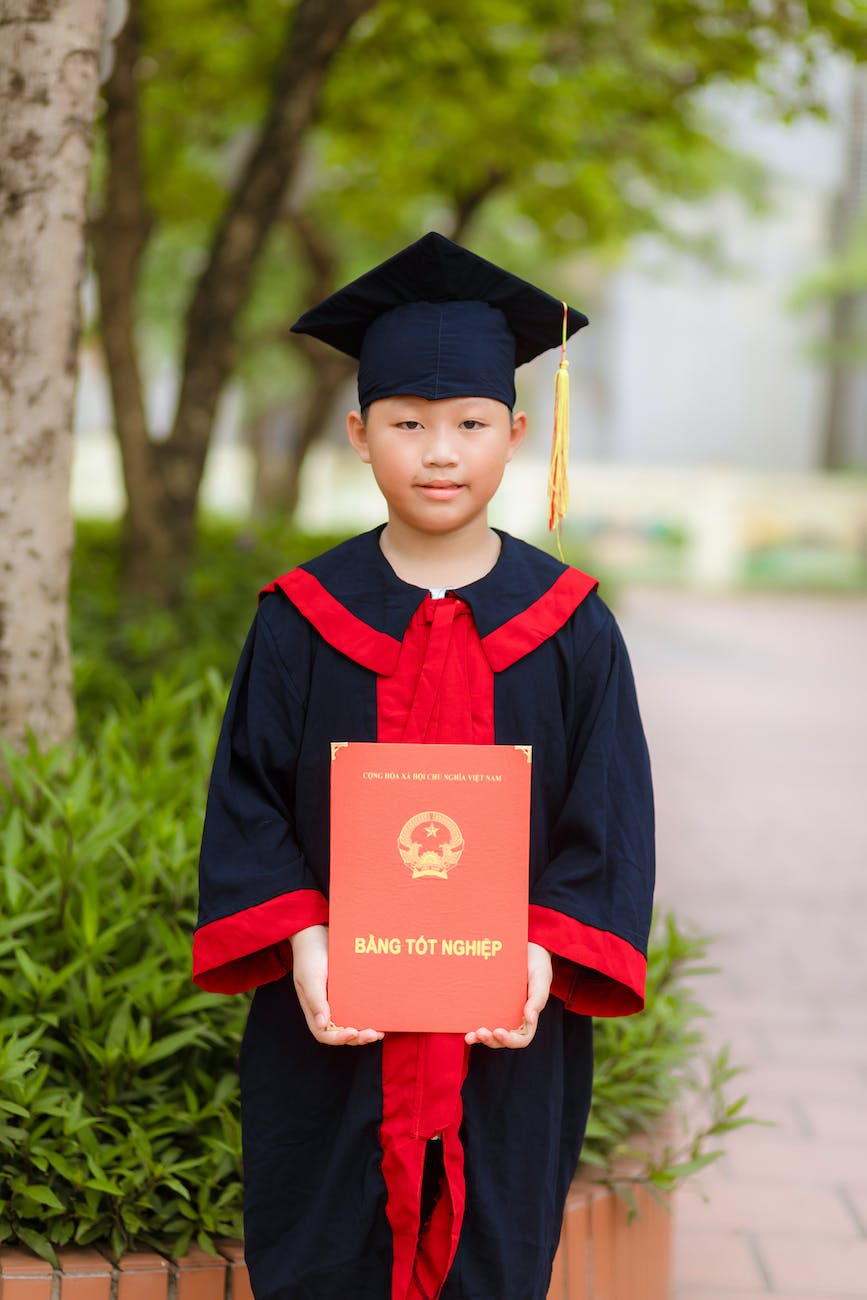
One of our top priorities as parents and guardians is to develop children who mature into capable, independent adults. Children need to be encouraged to be independent and responsible since this will provide them the necessary life skills and give them the freedom to be in command of their own actions and decisions. Early encouragement of these traits will put our kids on the road to success and enable a seamless transition into adulthood. We’ll look at several useful tactics in this blog article to help kids become more responsible and independent, laying the groundwork for their future growth and development.
Encourage Making Decisions
Giving kids the freedom to make judgments within reasoned limits fosters the development of their ability to think critically and solve problems. Start by presenting them with choices that are age-appropriate, such as choosing what to dress, what to read, or what extracurricular activities to take part in. Encouragement of decision-making fosters confidence while also giving children a sense of control over their decisions and behavior.
Assign Age-Appropriate Responsibilities
Giving kids household duties helps them feel more responsible. Tasks like setting the table, cleaning their rooms, or feeding a pet might be divided based on age and skill. When assigned responsibilities, children learn the value of contributing to the family and grow to feel independent and successful.
Allow for errors and opportunities for learning
Making errors is essential to learning and development. Allow them to fail within safe parameters rather than protecting them from it. When they make mistakes, assist them in understanding what went wrong and coming up with possible solutions. Children gain responsibility for their acts and an understanding of the effects of their decisions in this way.
Teach Organizational and Time Management Skills
Success in every undertaking requires good time management and organizational abilities. Teach them the value of making plans, prioritizing their tasks, and managing their time well. To keep them organized, encourage the use of calendars, to-do lists, or electronic alerts. Children who master these abilities grow in independence, effectiveness, and accountability for keeping their promises.
Foster Open Communication
Encourage honest and open dialogue within the family. Encourage kids to communicate their ideas, emotions, and opinions without worrying about being judged or criticized. Children can ask questions, seek advice, and express concerns in a safe setting created by active listening and respectful conversation. Children gain self-advocacy skills and how to take ownership of expressing their needs and wants by being encouraged to engage in open communication.
Encourage and Model Positive Behaviors

Children pick up skills through watching their parents and other adult caregivers at work. Set a good example by acting in a responsible and accountable manner every day. Show them how you accept responsibility for your errors and seek out solutions. Highlight the advantages of being autonomous and accountable while praising and reinforcing their responsible behavior.
Encourage Goal Setting and Problem-Solving
Based on their interests and aspirations, assist kids in setting both short-term and long-term objectives. Help them through the process of breaking down their goals into doable steps and coming up with solutions to problems. Children gain resiliency, perseverance, and a sense of ownership over their own accomplishment by being taught problem-solving techniques and encouraged to think strategically.
It takes persistence, direction, and consistency to foster children’s independence and responsibility. Parents and other adults who care for children can aid in the development of critical life skills by giving children the chance to make decisions, delegating tasks, allowing for mistakes, teaching organizational skills, promoting open communication, modeling positive behaviors, and promoting goal-setting. By encouraging their freedom and responsibility, we provide them the skills they need to thrive, overcome obstacles, and develop into confident, accountable adults who can plan their own futures. Early instillation of these traits helps youngsters develop into independent, tenacious, and successful adults.
It’s critical to modify our methods as children mature and develop in order to meet their changing demands and capacities. By adapting our tactics to their age and developmental stage, we can be confident that we are giving them the right possibilities for growth and challenges. Keep in mind that encouraging independence and accountability is a gradual process that calls for tolerance, reliability, and constant assistance.

We provide kids the tools they need to take responsibility for their actions and decisions by encouraging independence and accountability. They grow to understand that their actions have repercussions and that they are accountable for the results. Building character, self-confidence, and self-esteem via responsibility paves the way for future undertakings.
Children who are responsible and autonomous are also better able to overcome obstacles in numerous facets of life. They acquire the knowledge and attitude required to handle these circumstances with assurance and resilience, whether they include academic obligations, social relations, or personal objectives.
Our responsibility as parents and caregivers is to encourage and guide our children as they work toward independence rather than to micromanage every element of their life. Finding the right balance between giving children the structure they need and giving them the flexibility to explore and learn from their experiences is crucial. By doing this, we foster an atmosphere that promotes development, self-discovery, and the creation of a solid sense of self.
In conclusion, one of the most important aspects of parenting and child care is encouraging children’s independence and accountability. We provide kids the power to become independent, responsible adults by supporting decision-making, delegating tasks, allowing for mistakes, teaching organizational skills, enabling open communication, modeling positive behaviors, and encouraging goal-setting. These abilities will be invaluable advantages as kids mature and develop, empowering them to meet life’s problems head-on and realize their full potential. In order to help the children in our care develop their independence and sense of responsibility and to put them on the route to a successful future, let’s embrace our roles as mentors and teachers.
Thank you, for reading this post.
 Healthy family affairs
Leave a comment