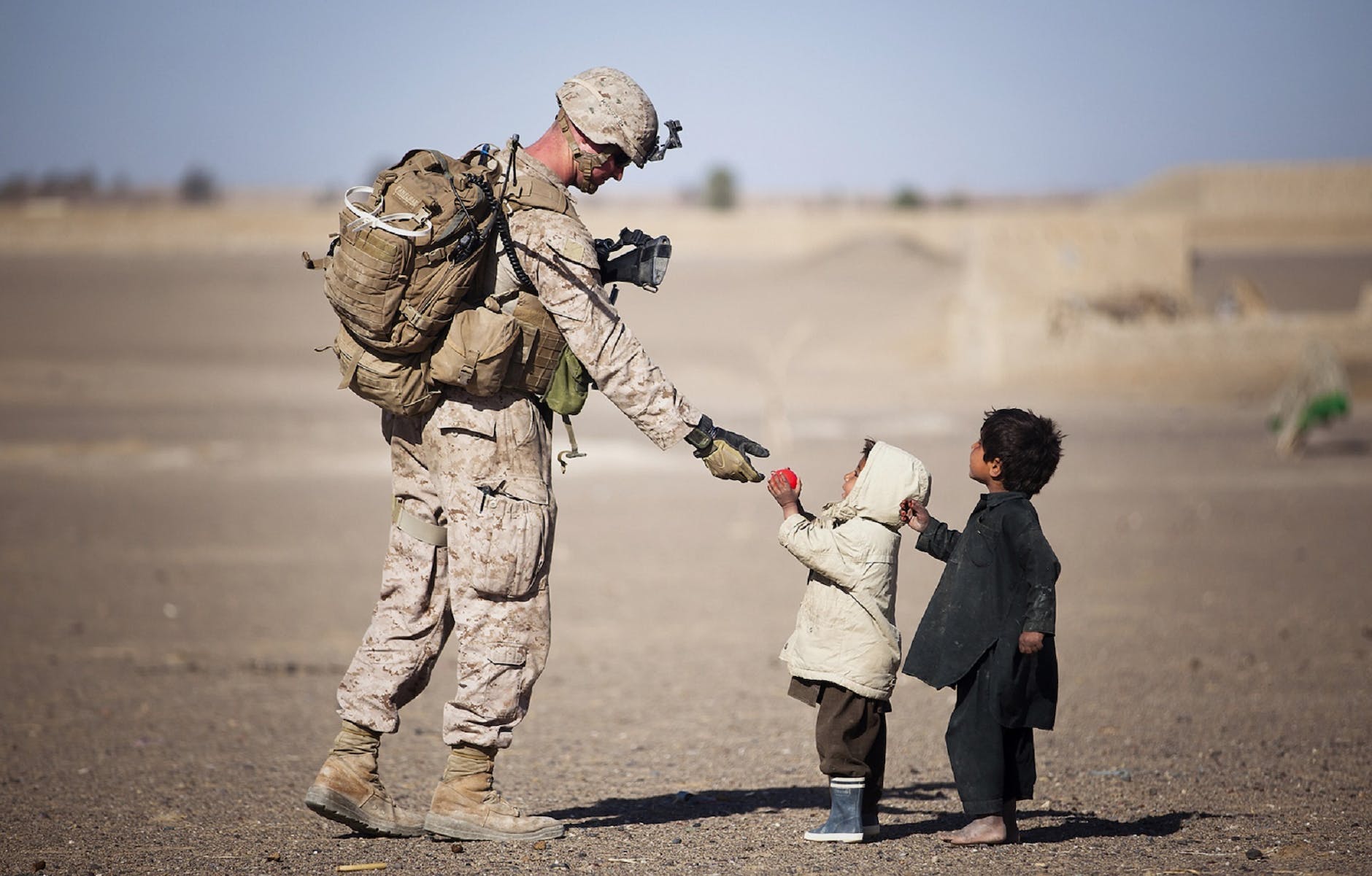
It is crucial to instill the virtues of gratitude and kindness in our children because we live in a society that frequently places a premium on individual success and material goods. These traits not only aid in their development and general well-being but also encourage empathy, compassion, and a sense of belonging. We have a huge obligation to establish these ideals in our kids’ young minds as parents, educators, and caretakers. In this blog post, we’ll look at practical methods for teaching kindness and gratitude to kids so they can grow up to be thoughtful, compassionate people.
Leading by Example
Since children learn best via observation, modeling gratitude and kindness for them is the first step in teaching them. Children are quick to catch up on your words and actions, so be careful what you say and do. Regularly express your thanks by saying “thank you” or by sending thank-you cards. Include your youngster in your kindness exercises and other acts of kindness. You provide the groundwork for effectively imparting these principles by setting a good example.
Gratitude Diaries

Your child should be exposed to the idea of a gratitude diary. Encourage them to list a few things each day for which they are thankful. Simple things like a clear day or a considerate act from a friend could qualify. Children learn the habit of thankfulness by often thinking about the good things in their lives. They can appreciate the efforts of others and notice the wealth in their lives because of this practice, which not only encourages mindfulness.
Acts of Kindness at Random
Encourage kids to perform deeds of kindness that extend beyond their local surroundings. Encourage kids to carry out kind deeds like holding the door open for a stranger, lending a toy, or sending a thoughtful message to a classmate. Talk about the results of these behaviors and how they can make someone’s day better. Children learn about the power of their actions and the satisfaction that comes from making others happy by actively participating in deeds of kindness.
Volunteer and Community Service
Introduce kids to the idea of giving back to the community by volunteering. Look for places where kids can volunteer their time and effort that are age-appropriate. Children learn the value of empathy and compassion for those in need through experiences like helping with community clean-ups or volunteering at a local shelter. Talk about the results of their service and inspire them to consider how they might keep making a difference.
Cultivating Empathy
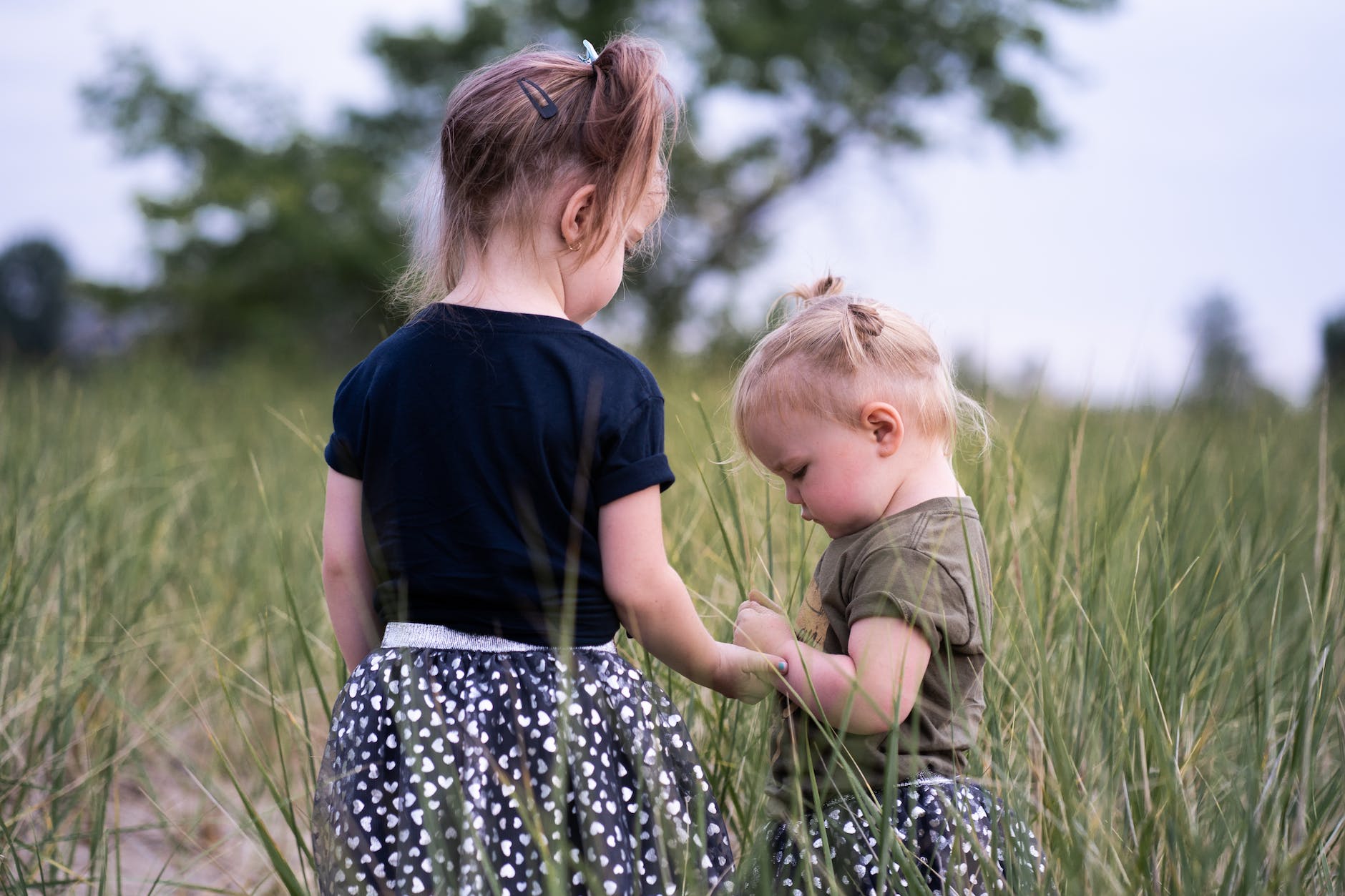
Empathy education is essential for encouraging kindness and gratitude. Encourage kids to examine alternative viewpoints and put themselves in other people’s shoes. Talk about inclusivity, diversity, and the difficulties that other people encounter. Read or watch media that emphasizes social justice, compassion, and empathy. These activities encourage kids to act positively by deepening their understanding of the world around them.
Games of Thankfulness and Kindness
By including games and activities in their daily routine, you may make learning about appreciation and kindness enjoyable. Create a gratitude jar where members of the family can record their blessings and read them aloud at mealtimes. Play “kindness bingo” or take part in games that encourage empathy and problem-solving, such as role-playing. Children learn more effectively and with greater enjoyment thanks to these interactive teaching techniques.
Teaching kids to be polite and thankful takes a lifetime of work. By instilling these principles in them at a young age, we provide them with the fundamental life skills that advance both their happiness and society as a whole. We may set kids on a path to being kind, thankful people who make a difference in the world by setting an example, modeling gratitude, practicing kindness, and engaging in acts of kindness. Keep in mind that by developing our kids’ character and dedicating time to their emotional development, we lay the foundation for a brighter and more compassionate future.
It is critical to keep in mind that each child is unique as we guide them through the process of training them to be appreciative and compassionate. While some people might pick up on these ideas immediately, others might need more instruction and repetition. As we assist them in developing in these areas, patience and comprehension are crucial.
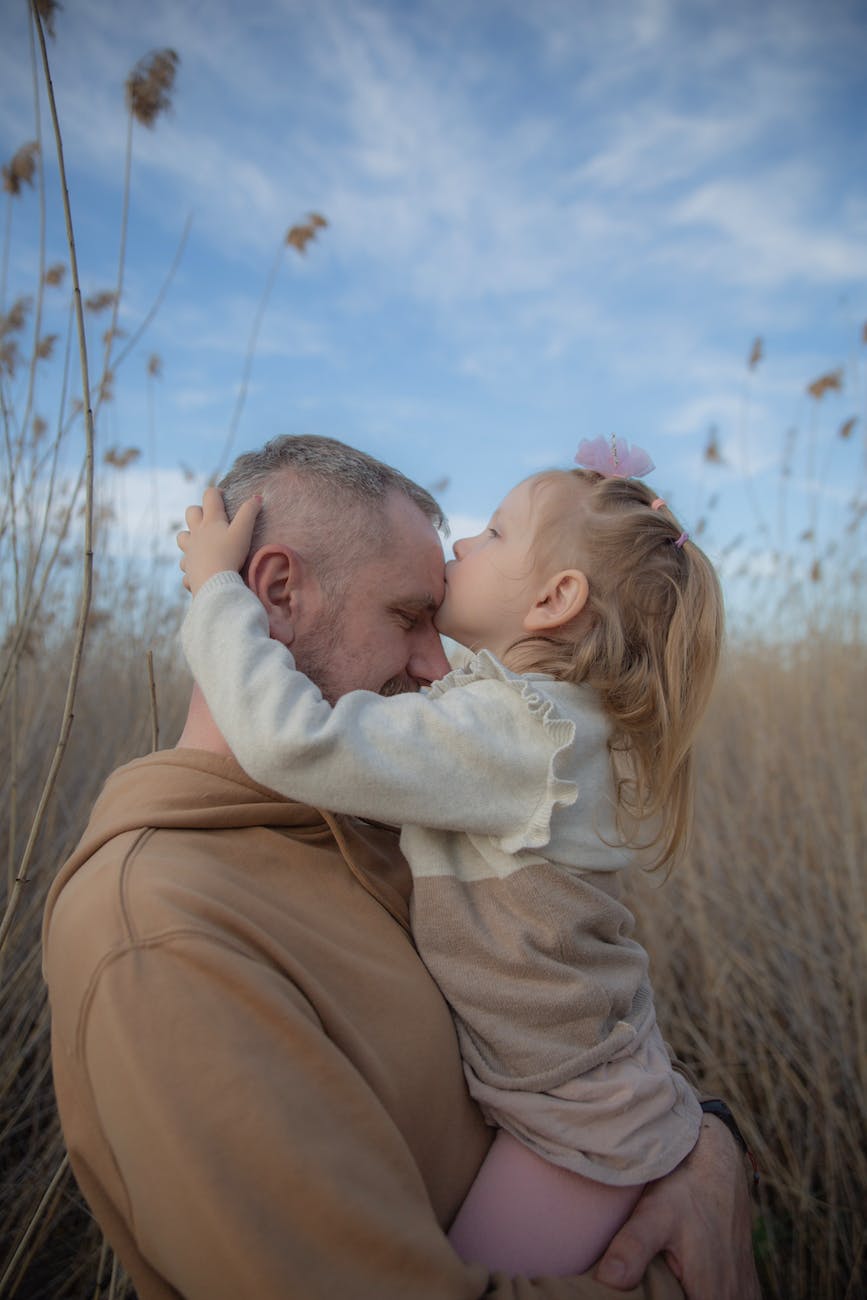
In conclusion, instilling kindness and gratitude in kids is a transforming process that needs intentionality and constant effort. Our children are empowered to develop empathy, compassion, and thankfulness by following our example, encouraging gratitude through journaling, encouraging acts of kindness, participating in volunteer work, growing empathy, and adding enjoyable activities.
It is our duty to give our kids the skills they need to make a difference in this increasingly linked world, where compassion and empathy are more important than ever. A future generation that values compassion, empathy and the welfare of others can be shaped through instilling the virtues of gratitude and kindness in their hearts and minds.
So let’s go out on this adventure together, teaching our kids to be kind and appreciative, and generating a positive ripple effect that reaches well beyond their immediate surroundings. Together, let’s create a culture of gratitude and kindness, where our kids grow up to be beacons of light who show kindness to everyone they come in contact.
Remember that instilling in kids a sense of gratitude and kindness is more than simply a lesson; it’s a gift that will enrich their lives and make the world a better, kinder place.
Thanks a lot!
 Healthy family affairs
Leave a comment