
Children’s general growth and well-being depend heavily on the development of good self-esteem. Children who have a high sense of self-worth have the courage and fortitude to face problems in life and make wise decisions. As parents, we must nurture and promote our kids’ positive self-esteem. We’ll look at useful tactics and useful advice in this blog article to assist you support your child’s self-esteem and promote their personal development.
Encourage a Rewarding and Friendly Environment
Building a good sense of self-esteem in children begins at home, where positive and encouraging environments should be fostered. Make sure your child knows how much you cherish, accept, and love them. Celebrate all of their accomplishments, no matter how minor, and offer support and encouragement when they encounter obstacles. To provide a comfortable environment where people may communicate their thoughts and feelings without worrying about being judged, encourage open conversation and active listening.
Concentrate on your skills and abilities
Aid your youngster in identifying and honing their special talents. Encourage them to experiment with various hobbies and activities to identify their interests. Honor their accomplishments and draw attention to their best traits. You may encourage a sense of competence and confidence in them by accentuating their talents and empowering them to approach obstacles with hope.
Set reasonable goals
A child’s self-esteem depends on you setting reasonable expectations for them. Don’t put them under unnecessary pressure to perform perfectly or satisfy impossible standards. Put more emphasis on your efforts, progress, and personal development. Encourage them to set reasonable goals and assist them in breaking down more difficult jobs into more manageable chunks of work. You may impart perseverance and resilience to kids by emphasizing progress rather than perfection.
Teach Self-Compassion
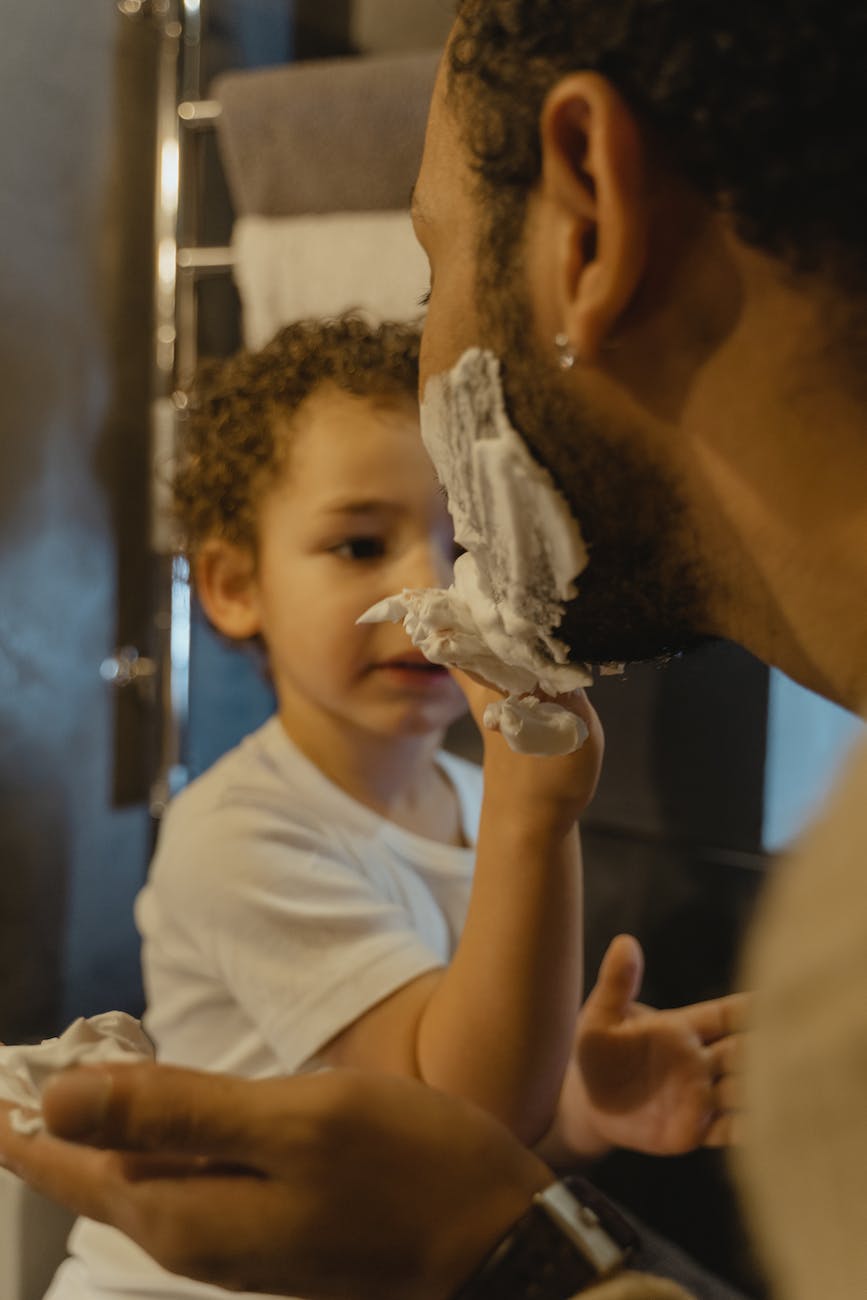
Building strong self-esteem requires the ability to teach self-compassion. Assist your youngster in realizing that failing and making mistakes are inevitable parts of life. Encourage them to be gentle to themselves, to accept and learn from their mistakes. Encouragement rather than criticism should be used to replace negative self-talk in their daily lives. You can provide your child the tools they need to recover from failures and uphold a healthy self-image by helping them to develop self-compassion.
Promote self-reliance and decision-making
Children’s sense of self-confidence is boosted through encouraging independence and decision-making abilities. Give children the freedom to express their thoughts, make age-appropriate decisions, and accept responsibility for their deeds. Through guided conversations and increasing autonomy, promote problem-solving and decision-making. They gain a sense of self-efficacy and confidence in their skills as a result, which boosts their self-esteem.
Promote Healthy Relationships
A child’s self-esteem is significantly shaped by their positive relationships. Encourage your child to develop positive bonds with their relatives, friends, and peers. Instill in them the values of respect for others, empathy, and good communication. Assist them in navigating issues and creating plans for amicably settling disputes. You may give your child a support network that raises their self-esteem by encouraging good interactions.
Last but not least, helping kids develop positive self-esteem is a lifelong process that calls for tolerance, love, and ongoing encouragement. You may construct a solid basis for your child’s self-esteem and general well-being by cultivating a good atmosphere, emphasizing their strengths, establishing reasonable expectations, teaching self-compassion, fostering independence, and supporting healthy relationships. Keep in mind that you, as a parent, have a significant influence on how your child views himself or herself, so embrace this responsibility and give them the tools they need to grow up confident and resilient.
Thank you, friends!
 Healthy family affairs
Leave a comment