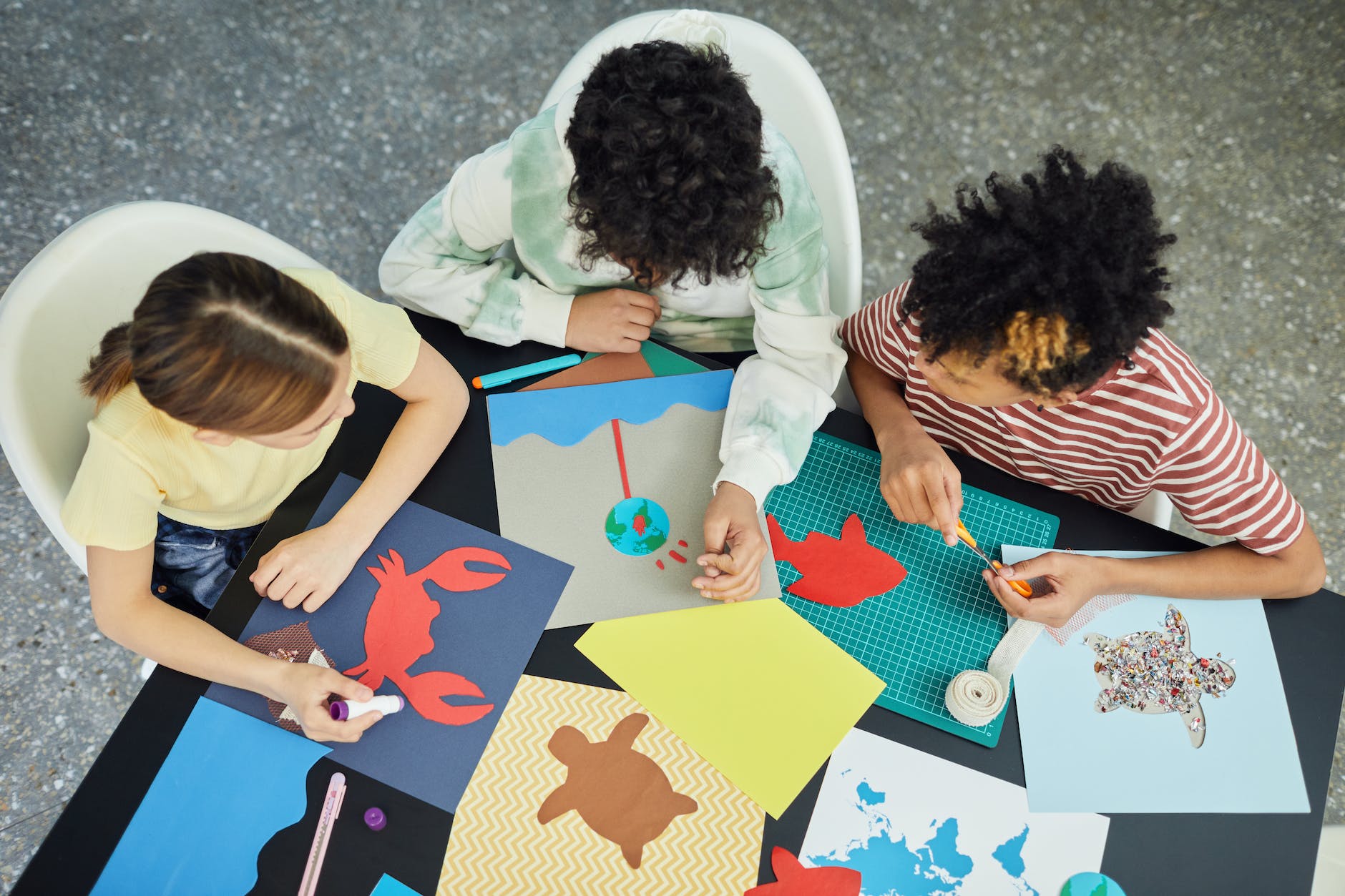
Fostering a child’s imagination and creativity is more crucial than ever in today’s fast-paced world. Thanks to these crucial talents, children can think creatively, solve problems outside the box, and approach life with passion and curiosity. We have a key role to play as parents and caregivers in encouraging our children’s imagination and creativity. This blog article looks at practical methods for stimulating and supporting kids’ imagination and creativity.
Provide an Environment for Creative Exploration
Provide an Environment for Creative Exploration
It’s crucial to provide a setting that encourages imaginative play and discovery. Here are a few techniques you can use to do this:
a. Unstructured Playtime: Give kids plenty of unstructured playtimes that are unrestricted by screens and scheduled activities. They are encouraged to create scenarios, develop their imaginations, and approach problems in novel ways via this open-ended play.
b. Artistic items: Give them a variety of art tools, including paints, crayons, clay, and craft items. These tools enable children to think creatively and provide limitless opportunities for self-expression.
c. Reading: Foster a love of reading by giving kids access to a wide variety of books that spark their creativity. Children can be transported to new realms by stories with imaginative themes, action, and vivid images, which can also stimulate their creativity.
Embrace the Power of Pretend Play

Imaginative play, commonly referred to as pretend play, is a potent technique for fostering a child’s creativity. Here are some tips on how to encourage and support this kind of play:
a. Role Play and Dress-Up: For fun role-playing, keep a box of dress-up attire, headgear, and accessories nearby. Children can experience various settings and take on different personas, developing their imagination and narrative skills.
b. Create Imaginary Worlds: With the aid of materials like blankets, cardboard boxes, and everyday items, assist kids in creating imagined worlds. Encourage kids to create their areas, whether it be a hidden cavern, a fantastical realm, or a spacecraft. This method encourages creative thinking and problem-solving abilities.
c. Join Their Play: Participate occasionally in your child’s pretend play. You may encourage children’s creativity and give them opportunities for cooperative play by expressing interest in their creative world. This will help them develop their imagination even more.
Encourage Curiosity and Exploration
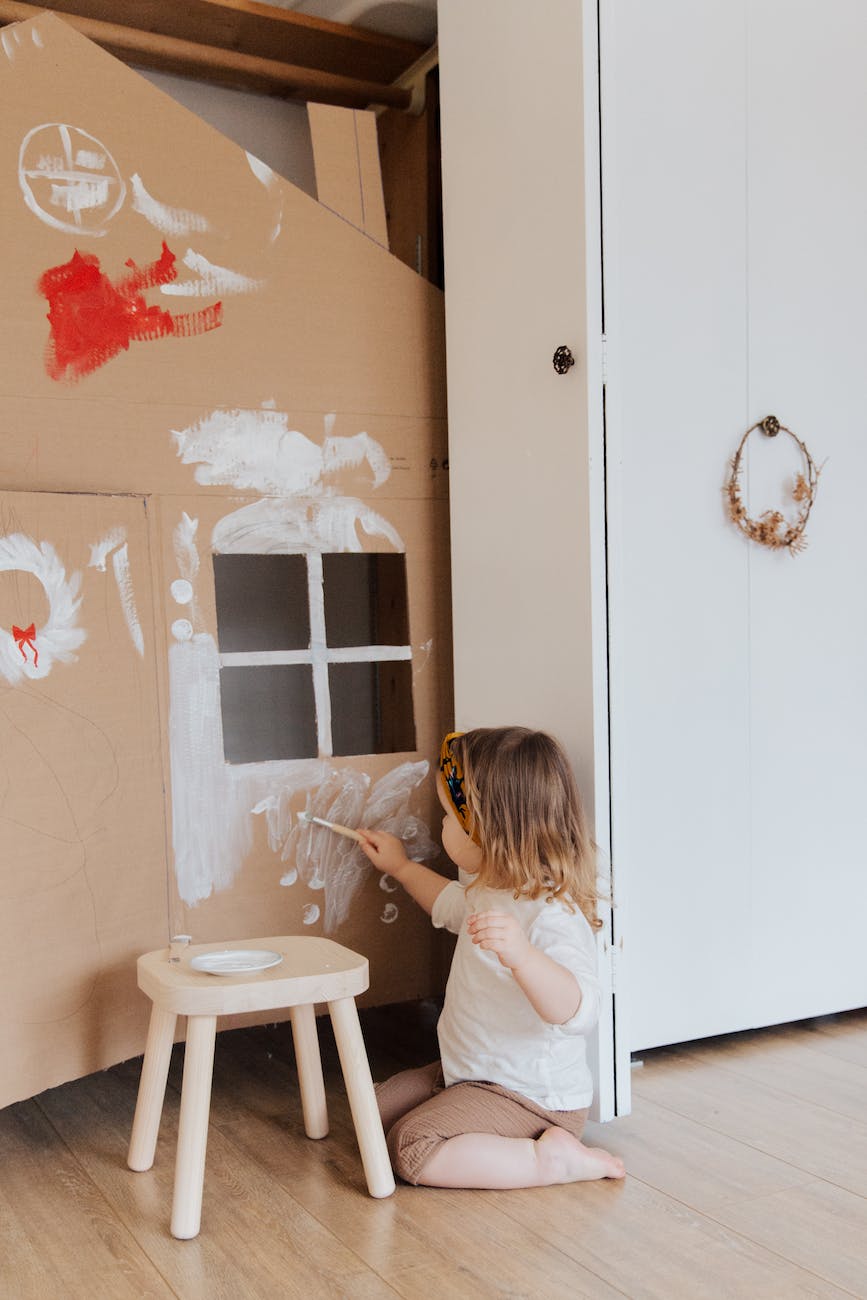
Fostering a child’s curiosity encourages their creativity and imagination. The following techniques can help them develop their sense of wonder:
a. Ask Open-Ended Questions
Asking open-ended questions will help your child develop their critical and creative thinking skills. Instead of looking for straightforward solutions, these questions encourage kids to think critically, weigh other viewpoints, and hone their creative problem-solving abilities.
b. Supporting Interests and Hobbies
Encourage your child to pursue their passions, whether they are in science, literature, music, or athletics. You encourage creativity and cultivate their special abilities by giving them the means and opportunities to pursue their passions.
c. Outdoor Exploration
Encourage your child to pursue their passions, whether they are in science, literature, music, or athletics. You encourage creativity and cultivate their special abilities by giving them the tools and chances to pursue their passions.
Children will benefit from being encouraged in their imagination and creativity for the rest of their life, which is a priceless gift. We can help our kids acquire the abilities to meet challenges creatively, think critically, and approach life with awe by creating an environment that encourages creative inquiry, accepting pretend to play, and cultivating curiosity and exploration. Let’s embrace our role as parents and caregivers in encouraging their creativity and imagination so they can flourish in a society that values original thought and unrestricted imagination.
Thank you for visiting us.
 Healthy family affairs
Leave a comment